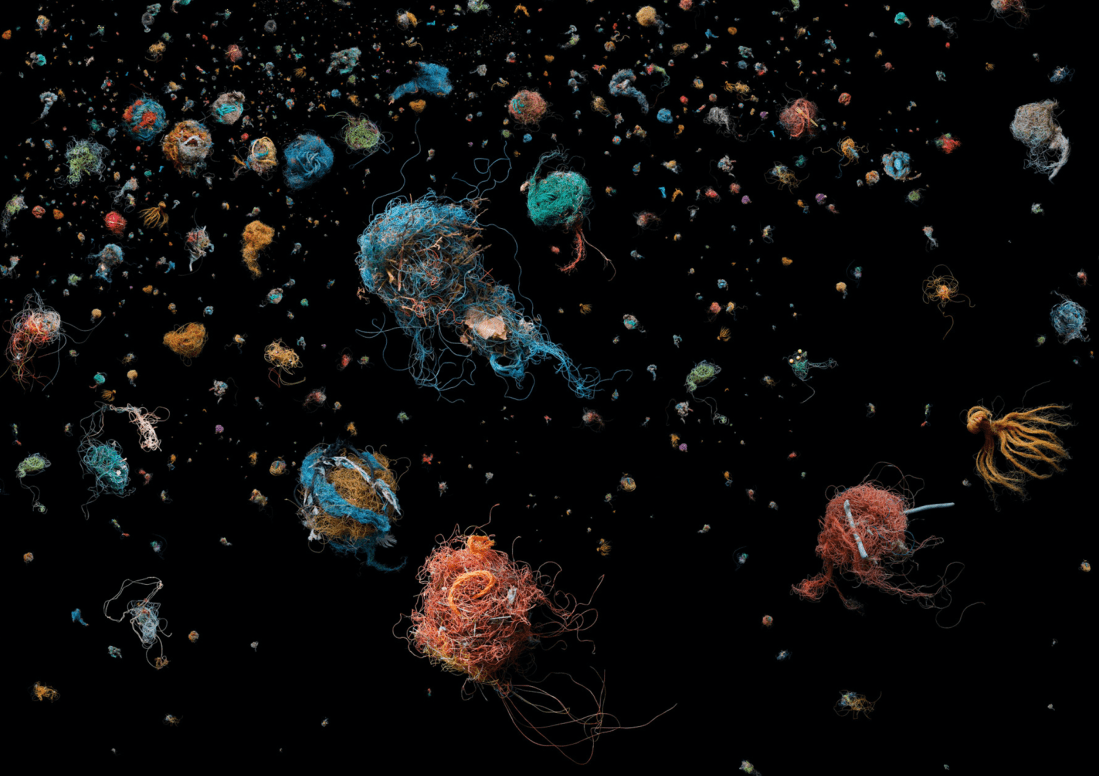
It seems the world has only recently turned its attention to the pollution in its waters, but one artist has been focusing on this crisis her whole career
Mandy Barker is an award-winning photographer whose work on marine plastic debris stretches over six continents and all five oceans, highlighting a vast problem that affects everything from habitats to food chains. Alien, overwhelming and immediate, her photo series present the familiar as strange and what we discard as beautiful.
Here, she discusses the ethics of her work, the tension between science and art, and the power of photography.
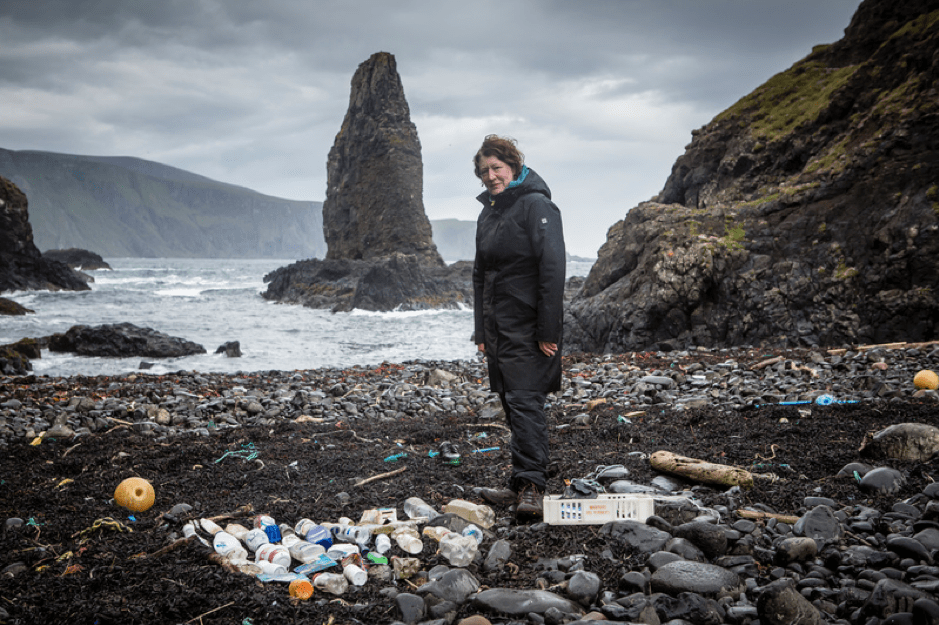
Mandy, whose coastal collecting of seashells and driftwood began as a child growing up in Hull, says: “Increasingly, natural objects have been taken over by man-made waste, especially plastic. I began to notice household appliances such as fridge-freezers, computers and TVs on the beach and begun to wonder how they got there.”
“I felt this was an environmental concern that others should know about, and this is what stimulated my work – to spread awareness of this experience to a wider audience.”
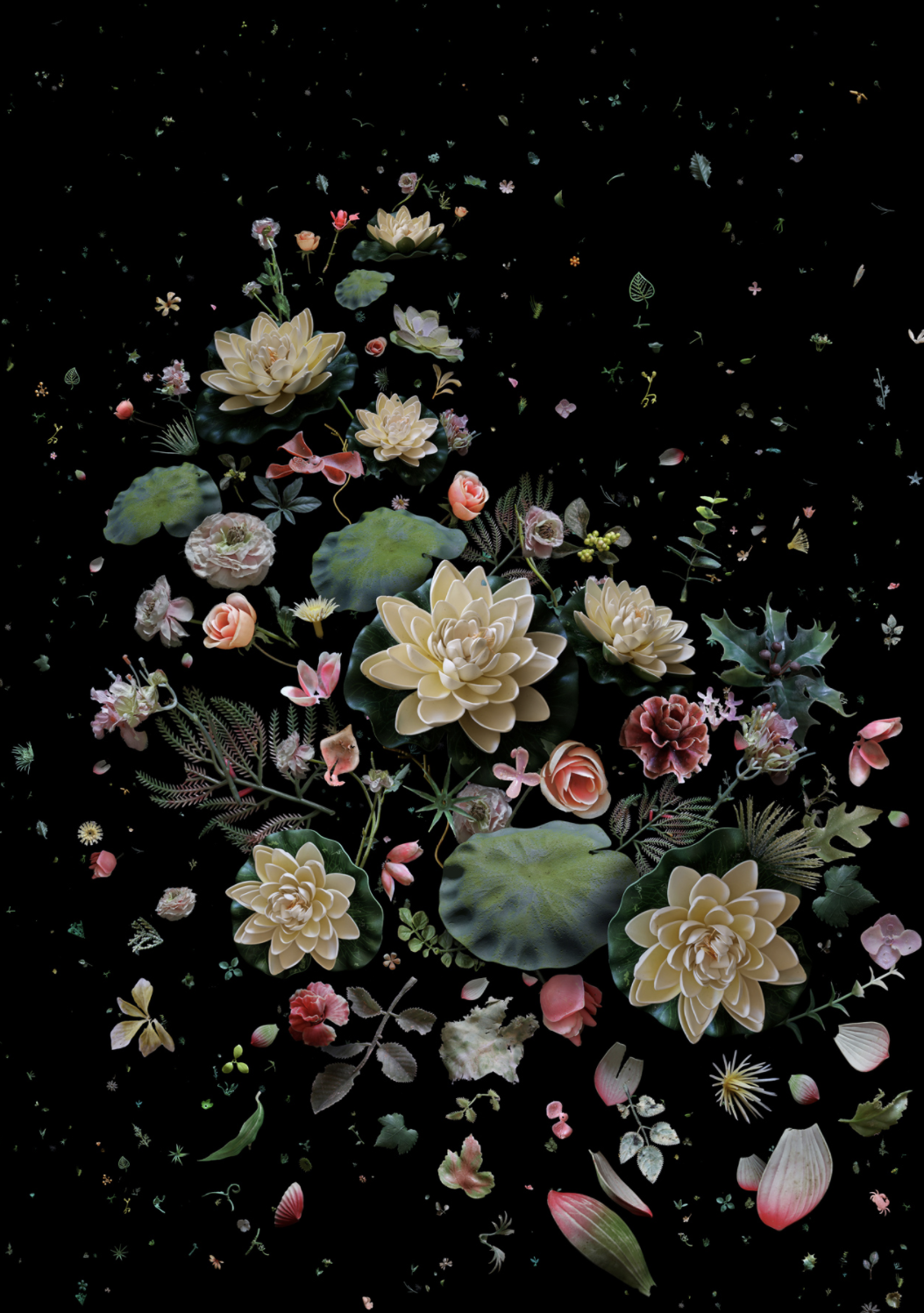
Shifting public awareness on this immense issue remains a challenge for the scientific community. The idea that eight million tons of plastic is dumped into our oceans every year remains difficult for urban dwellers to fully comprehend. This, Mandy believes, is why photography remains such a powerful form of communication.
“It provides a visual message when sometimes overly-complicated statistics or articles are difficult to understand. I believe photography and art can change people – it can transcend the barrier of language. Photography is not what we see, it’s what we make others see.
“I’ll never run out of things to photograph because they are there for hundreds of years – they don’t decompose for many, many years.”
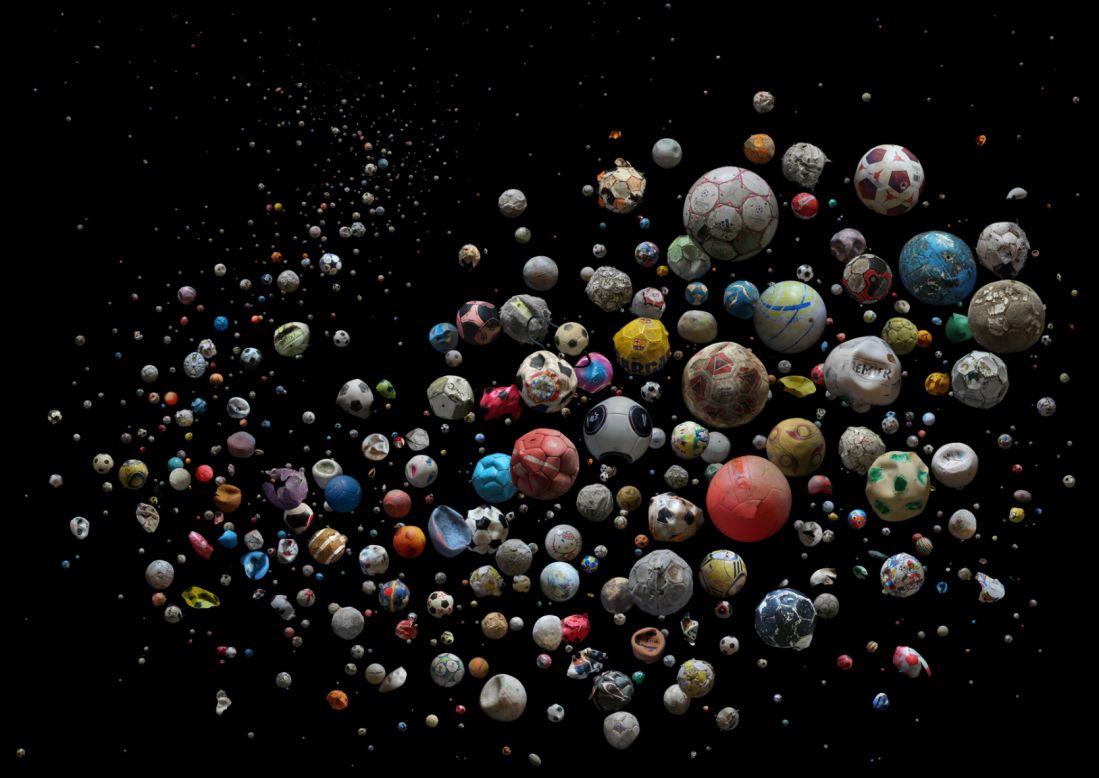
Working closely with scientists who are studying the problem first-hand is an integral part of her process, with accuracy taking precedence over shock tactics. In 2012 Mandy was awarded The Royal Photographic Society’s Environmental bursary, allowing her to join a research expedition sailing from Japan to Hawaii and examine plastic accumulation in the Pacific Ocean’s tsunami debris field. Most recently, in 2017, she was invited by Greenpeace to join the Beluga II Expedition – recovering plastic around the remote island locations of the Inner Hebrides in Scotland.
“It is essential to the integrity of my work that I don’t distort information for the sake of making an interesting image and that I return the trust shown to me by the scientists who have supported my work. Although aesthetics are important, it has more to do with representing the facts of how we are affecting our planet and changing environments.
“Science is not subjective as it is factual, with no room for aesthetics or emotion, so in that sense the work of an artist and a scientist are opposed in approach, but in some way are seeking to achieve the same outcome.”
Asked whether there is an ethical dilemma in beautifying waste, she states that: “The aim of my work is to create a visually attractive image that initially draws the viewer in, and then shocks them with the caption and facts of what the work represents. It is intended that this contradiction between beauty and information will combine to make people question, for example, how their food packaging, computer, or shoe ended up in the middle of the ocean.
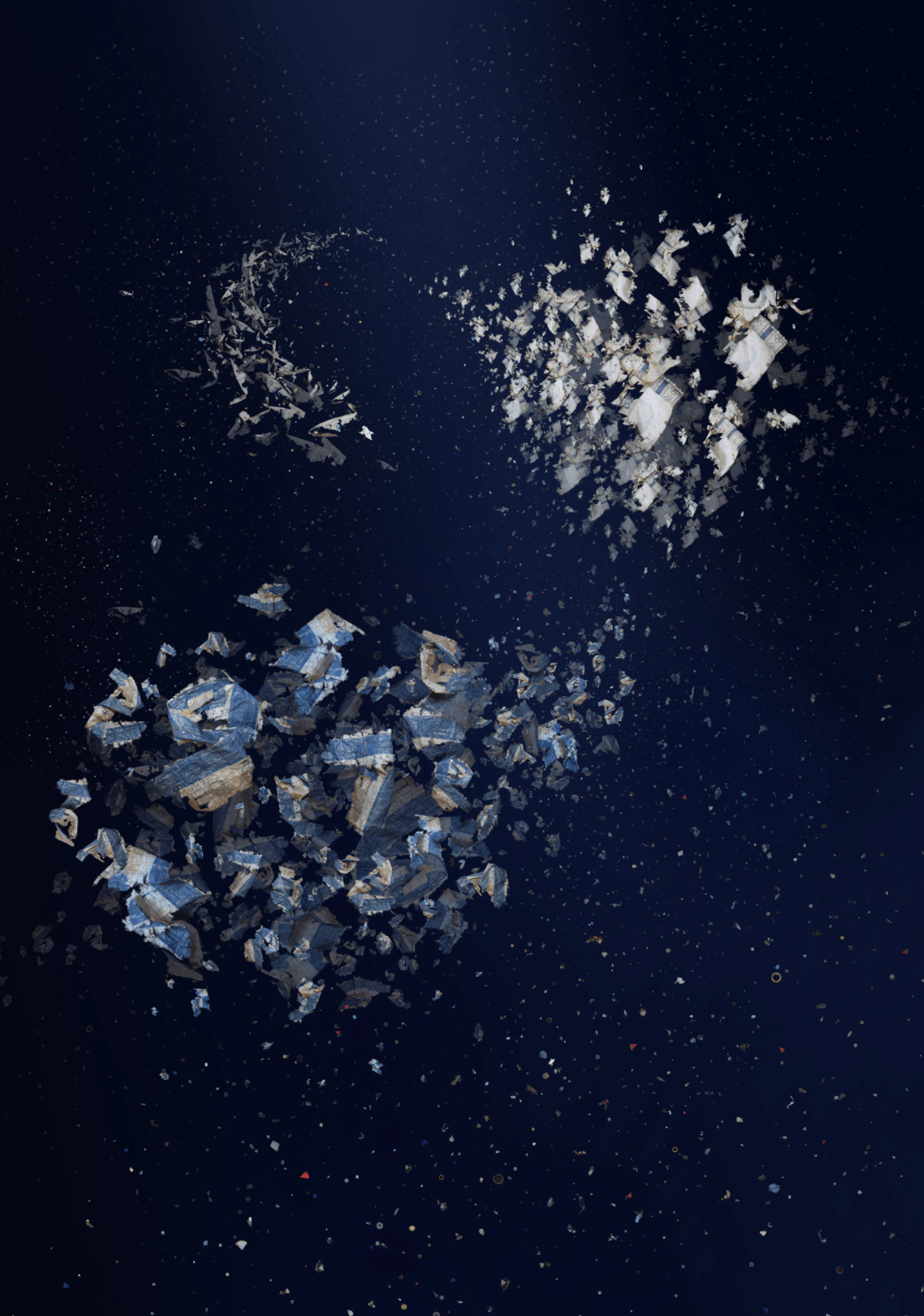
“If photography has the power to encourage people to act, to move them emotionally, or at the very least make them take notice, then this must surely be a vital element to stimulate debate, and ultimately, change. If I didn’t believe my work did any of these things then I wouldn’t be motivated to continue.
“If at best my work can educate people to change their habits, and lead them to positive action in tackling this increasing environmental problem – or at the very least cause people to think, then I will have achieved my aim.”
With plastic production expected to rise by 40% over the next decade due to funding from fossil fuel giants like Exxon Mobile Chemical and Shell Chemical, the public action Mandy hopes to inspire has never been more urgent or necessary.
 Thomas Dylan Bolger
this is so, so beautiful!